Complete Work Activity & Shut-Down Equipment In Line With Work Requirements & Workplace Procedures
 Listen to this Topic
Shut Down the Machine
Every item of machinery has slightly different shut down procedures. For the exact procedure for the machine you are operating, consult the operator’s manual.
Isolation of the machine from any areas of danger or where it may cause an accident is one consideration when you are shutting down the excavator, others include manufacturers specifications and site procedures.
Shut down procedures are those tasks and checks done after operations. These commonly include:
- Cooling the engine before shutting it down. Dependent upon the vehicle but commonly the same amount of time as the engine warm up time.
- Monitor controlled lowering of temperatures and pressures.
- Secure the vehicle and use any applicable lock out or isolation devices and remove the keys. This is to prevent unauthorised operation of the vehicle.
- Ensure equipment is correctly stowed in accordance with site and manufacturers requirements.
- Secure the worksite area in accordance with your individual workplace procedures.
Inspect the Machine
As part of your tasks as a plant operator or Machine driver, you need to inspect your equipment and machinery to find faults, and when the faults have been found, you need to report them.
Faults can be anything which is not right with the machinery or piece of equipment, therefore knowing your machinery and equipment well is the key to efficiently and effectively finding faults.
Conduct Post-Operational Checks
Post operational checks are conducted once activities with the excavator have been completed. You can use a daily inspection checklist or similar workplace document to make sure all necessary checks are made at the end of the day or shift.
Post-operational checks include looking for any damage, defects, or service issues, such as the machine not running as well as it could. Once all post operational checks are complete you need to fill out any records, reports or other actions depending upon any issue found during shut down procedures.
In the operator’s manual for each excavator will be a comprehensive post operational checklist or procedure. Some common post operational checks include:
• Looking for damage or defects.
• Checking fluid levels.
• Clean the machine.
• Completing any records or logs.
Post operational checks need to be completed to ensure the excavator is ready for the next operator.
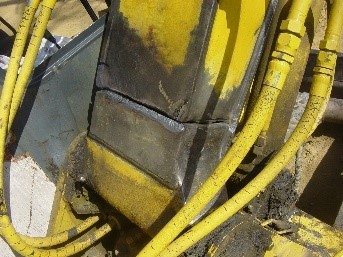
Any defective equipment (such as a bulge in a hydraulic line) needs to be identified and isolated (moved to another area if possible) before reporting the defect to your supervisor.
Report All Faults
Once a fault has been found, it needs to be reported and fixed. Most sites have a workplace fault form or report form that will need to fill in with the details. The form will generally need the machinery or equipment make and model numbers, the site identification numbers, the type of fault and the person reporting the fault.
Some sites will have a verbal system of reporting where the operator speaks with a supervisor who then documents the fault, while others may require the operator to organise repairs of the fault directly (generally only applicable to external contractors to a site).
The work site induction will outline the requirements for each individual site you work on. Do not assume that the procedure for the last site is the same procedure as for the current site. Always check.